
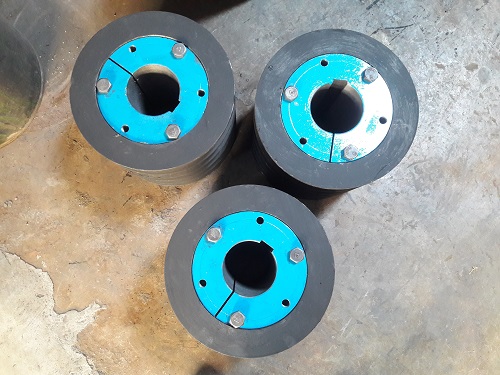
Replacing a taper lock pulley should be a controlled mechanical process — not a forceful operation. Many shafts get damaged because of improper removal methods such as hammering, heating, or using sharp tools. A damaged shaft can lead to alignment issues, vibration, and costly downtime.
This guide explains the correct step-by-step method to replace a taper lock pulley safely without harming the shaft.
Why Shaft Damage Happens
Shaft damage usually occurs because of:
- Hammering the pulley during removal
- Using incorrect tools
- Over-tightening or uneven tightening of screws
- Corrosion or rust between shaft and bush
- Ignoring proper removal screw positions
The taper lock system is designed for easy removal. When handled correctly, it does not require force.
Tools You Will Need
Before starting, keep these tools ready:
- Correct size Allen key or spanner
- Torque wrench (recommended)
- Soft mallet (if required lightly)
- Cleaning cloth
- Anti-seize lubricant
- Emery paper (fine grade, only if necessary)
Using proper tools reduces the risk of mechanical damage.
Step 1: Disconnect Power and Ensure Safety
Always shut down the machine completely before beginning work.
- Turn off power supply
- Lockout and tag the system
- Ensure belts are relaxed or removed
- Confirm zero rotation
Safety is the first priority before mechanical work begins.
Step 2: Loosen the Taper Lock Screws Evenly
Locate the clamping screws on the pulley hub.
- Loosen all screws gradually
- Do not remove them completely at first
- Loosen them in a cross pattern to release pressure evenly
Uneven loosening can cause binding inside the taper.
Step 3: Use the Removal (Jacking) Holes
Taper lock bushes have designated threaded holes for removal.
- Remove the screws from clamping positions
- Insert them into the jacking holes
- Tighten them evenly
As you tighten, the bush will gradually release from the pulley hub. You will feel the tension release when the taper disengages.
Do not hammer the pulley. The system is designed to release mechanically.
Step 4: Slide the Pulley and Bush Off the Shaft
Once the taper is released:
- Gently slide the pulley assembly off the shaft
- If slightly tight, rotate gently while pulling
- Use a soft mallet only if necessary and very lightly
Avoid metal hammer blows at all costs.
Step 5: Inspect the Shaft Surface
After removal, inspect the shaft carefully:
- Check for scoring marks
- Look for burrs or scratches
- Ensure keyway is intact
- Remove rust or debris
If minor surface rust is present, use fine emery paper gently. Do not remove excess material.
A clean and smooth shaft ensures proper reinstallation.
Step 6: Clean and Prepare Before Reinstallation
Before installing a new taper lock pulley:
- Clean the shaft thoroughly
- Apply a light coat of anti-seize lubricant
- Ensure key is properly seated
- Confirm shaft diameter tolerance
Lubrication helps future removal and prevents seizure due to corrosion.
Step 7: Install the New Pulley Correctly
To avoid future shaft damage:
- Insert bush into pulley loosely
- Slide assembly onto shaft
- Align key properly
- Tighten screws gradually in a cross pattern
- Use a torque wrench to follow recommended torque values
Over-tightening can deform components and make future removal difficult.
Common Mistakes to Avoid
- Hammering the pulley to remove it
- Heating the pulley excessively
- Forcing screw tightening
- Ignoring torque specifications
- Installing on a dirty or damaged shaft
These mistakes lead to shaft wear and reduce machine reliability.
Final Thoughts
A taper lock pulley system is designed for easy installation and removal. When handled properly, it protects the shaft and ensures smooth operation. Most shaft damage occurs because of improper technique, not because of the pulley design.
By following correct removal procedures and using proper tools, you can replace a taper lock pulley safely, reduce maintenance time, and prevent unnecessary repair costs.
