
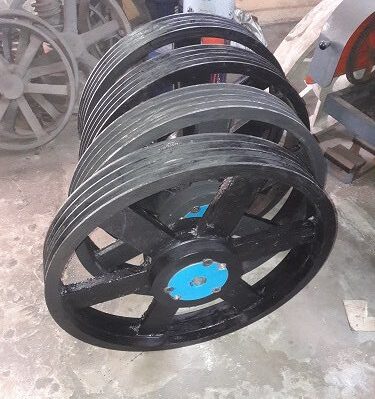
Selecting the correct taper lock bush is critical for secure shaft mounting and reliable torque transmission. A mismatch between shaft size and bush selection can cause slippage, vibration, shaft damage, and premature failure.
This guide explains how to choose the right taper lock bush step by step, ensuring proper fit and long-term performance.
Step 1: Measure the Exact Shaft Diameter
The first and most important step is to measure the shaft diameter accurately.
- Use a calibrated vernier caliper or micrometer
- Measure at multiple points to check for wear
- Confirm the shaft is within tolerance
Even a small variation in diameter can affect bush fit. Never assume nominal size without verification.
Step 2: Check Shaft Tolerance
Shaft tolerance plays a major role in fit quality. Common industrial tolerances include:
- h6
- h7
If the shaft is undersized, the bush may not grip properly. If oversized, installation becomes difficult and may damage components.
Ensure the shaft surface is smooth, clean, and free from burrs before installation.
Step 3: Identify Required Bush Series
Taper lock bushes are manufactured in standardized series such as:
- 1008
- 1210
- 1610
- 2012
- 2517
- 3020
- 3535
- 4040
- 4545
The series number typically indicates:
- Maximum bore size
- Torque capacity
- Overall dimensions
Larger shafts and higher torque applications require larger bush series.
Step 4: Match Bore Size to Shaft Size
Each bush series supports a range of bore sizes.
After identifying the shaft diameter:
- Select a bush that offers that exact bore size
- Avoid modifying bore dimensions manually
- Do not oversize the bush for convenience
Always choose a bush that is factory-machined to match your shaft size.
Step 5: Verify Torque Capacity
Even if the bore matches, the bush must handle transmitted torque.
Calculate required torque using:
Torque (Nm) = (9550 × Power in kW) ÷ RPM
Then apply a service factor based on load type.
Ensure the selected bush series has a torque rating higher than the calculated requirement.
Step 6: Confirm Pulley Compatibility
The taper lock bush must also match the pulley hub.
Check:
- Taper angle compatibility
- Mounting hole alignment
- Screw size and pattern
Using incompatible pulley and bush combinations can lead to improper seating.
Step 7: Inspect Keyway Dimensions
The bush keyway must match:
- Shaft key size
- Keyway depth
- Standard key profile
Improper key fit can cause backlash and uneven torque transmission.
Step 8: Consider Operating Conditions
Environmental and operational factors also influence selection:
- High shock load → choose larger bush series
- High RPM → ensure proper balancing
- Corrosive environment → consider surface protection
- Continuous duty cycle → confirm torque margin
Always allow a safety margin for demanding applications.
Common Mistakes to Avoid
- Guessing shaft size without measurement
- Ignoring torque calculation
- Using oversized bush for small shafts
- Over-tightening screws during installation
- Installing on dirty or rusty shafts
Correct selection prevents long-term mechanical problems.
Quick Selection Checklist
Before finalizing your taper lock bush:
- Measure shaft diameter precisely
- Confirm shaft tolerance
- Identify correct bush series
- Match bore size exactly
- Verify torque capacity
- Check pulley compatibility
- Confirm keyway alignment
Following these steps ensures secure clamping, reduced vibration, and extended equipment life.
Final Thoughts
Selecting the correct taper lock bush is not complicated, but it must be precise. Accurate measurement, torque verification, and compatibility checks are essential for safe and reliable power transmission.
Choosing the right bush protects your shaft, improves system stability, and reduces maintenance costs over time.
