
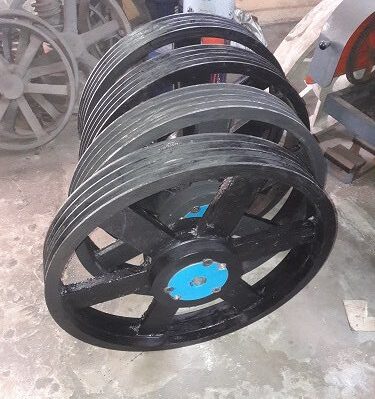
When sourcing industrial components such as taper lock pulleys, couplings, sprockets, or other power transmission products, a clear and detailed RFQ (Request for Quotation) can save time, reduce confusion, and prevent costly mistakes.
Many purchase delays happen not because suppliers are slow, but because RFQs are incomplete. Missing specifications lead to repeated follow-ups, inaccurate pricing, or incorrect product supply. A structured RFQ helps both buyer and supplier stay aligned from the beginning.
Here is a practical step-by-step guide by Shree Ganesh Enterprise explaining what details you should provide to your supplier to receive an accurate and competitive quotation.
Step 1: Clearly Mention the Product Name and Type
Start by specifying the exact product name. Avoid general descriptions like “pulley required” or “industrial spare part needed.”
Instead, clearly state:
- Taper lock pulley
- V-belt pulley
- Timing pulley
- Sprocket
- Coupling
If applicable, include the belt profile or series such as SPA, SPB, or SPC. This immediately gives the supplier clarity about the product category.
Step 2: Provide Complete Technical Specifications
Technical details are the backbone of any RFQ. Without them, no supplier can offer an accurate quotation.
For taper lock pulleys, include:
- Outside diameter
- Belt section (SPA, SPB, SPC, etc.)
- Number of grooves
- Taper bush size
- Bore size (if required pre-bored)
- Keyway dimensions
- Material requirement (if a specific grade is needed)
Whenever possible, attach a drawing. A technical drawing removes ambiguity and significantly reduces the chances of supply errors.
Step 3: Clearly State the Required Quantity
Always mention:
- Exact quantity required
- Whether it is a sample, trial order, or bulk order
- Expected monthly or yearly consumption
Suppliers calculate pricing based on volume. Transparent quantity details often help you secure better rates.
Step 4: Share Application Details
Providing information about the application helps the supplier recommend the correct specification.
You may include:
- Motor RPM
- Type of load (light, medium, or heavy duty)
- Industry type
- Working environment (dusty, humid, high temperature, etc.)
Application clarity ensures the supplied component performs reliably in your operating conditions.
Step 5: Mention Quality and Inspection Requirements
If your organization follows specific standards, clearly state them in your RFQ.
For example:
- IS or ISO compliance
- Material test certificate requirement
- Dynamic balancing requirement
- Surface coating specification
- Inspection report requirement
Clear expectations prevent disputes at the dispatch stage.
Step 6: Specify Delivery Location and Timeline
Logistics details are just as important as technical details. Mention:
- Delivery city and state
- Required delivery timeline
- Urgent or standard order
- Any special packaging requirement
Delivery timelines influence production planning and pricing, so this information must be shared upfront.
Step 7: Clarify Commercial Terms
A complete RFQ should also include commercial clarity such as:
- GST details
- Preferred payment terms
- Whether pricing should be Ex-Works or door delivery
- Vendor registration requirements if applicable
Providing this information helps the supplier give a proper commercial quote instead of a rough estimate.
Step 8: Provide Contact Details for Quick Communication
Always include:
- Contact person name
- Phone number
- Email address
Clear communication avoids unnecessary delays and speeds up finalization.
Common RFQ Mistakes to Avoid
- Sending only a product image without specifications
- Not mentioning quantity
- Requesting the “best price” without technical clarity
- Changing specifications after receiving a quotation
- Not clarifying delivery urgency
Avoiding these mistakes improves quotation accuracy and reduces procurement delays.
Conclusion
A well-prepared RFQ lays the foundation for a smooth purchasing process. The more precise and detailed your request, the better the pricing accuracy, product quality, and delivery commitment you will receive.
At Shree Ganesh Enterprise, we believe that clear technical communication leads to long-term business relationships. Providing complete RFQ details helps ensure faster quotations, correct specifications, and reliable supply.
