
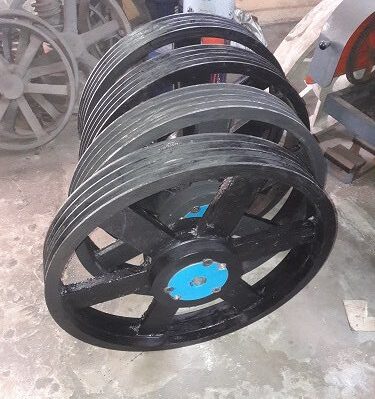
In industrial environments, taper lock pulleys often run for long hours under continuous load. Over time, dust, vibration, belt tension, and operating stress can affect performance. Regular maintenance is not complicated, but it must be consistent. A structured inspection routine helps prevent unexpected failures and ensures stable power transmission.
Below is a practical maintenance checklist to help extend the life of your taper lock pulley system.
1. Perform Routine Visual Inspection
Carry out regular visual checks to detect early signs of wear.
Inspect for:
- Cracks on the pulley body
- Rust formation
- Groove damage
- Loose screws
- Belt misalignment
Early identification allows corrective action before major damage occurs.
2. Check Belt Condition and Tension
Belts and pulleys work together. Poor belt condition directly affects pulley life.
Examine:
- Cracks or fraying
- Uneven wear
- Proper seating inside grooves
- Correct tension level
Excess tension increases bearing load, while insufficient tension causes slipping and groove wear.
3. Inspect Taper Lock Bush Tightness
The bush ensures secure mounting on the shaft. Vibration over time may loosen screws.
During inspection:
- Check clamping screws
- Tighten using proper torque values
- Look for fretting marks on the shaft
Maintaining correct tightness prevents slippage and shaft damage.
4. Verify Shaft Alignment
Misalignment causes vibration and uneven wear.
Confirm:
- Pulleys are aligned in the same plane
- Shafts are parallel
- No angular misalignment exists
Proper alignment improves belt life and reduces stress on bearings.
5. Monitor Vibration and Operating Sound
Changes in noise or vibration levels usually indicate a problem.
Watch for:
- Unusual humming or knocking
- Increased vibration
- Bearing temperature rise
Addressing vibration early prevents major breakdowns.
6. Inspect Pulley Grooves for Wear
Over time, grooves may widen due to friction.
Look for:
- Polished surfaces
- Irregular groove shape
- Reduced belt grip
Worn grooves reduce traction and increase slippage risk.
7. Check Key and Keyway Condition
The key transmits torque between shaft and bush.
Ensure:
- Proper key fit
- No rounding or deformation
- No excessive play
A damaged key can compromise torque transmission.
8. Keep Components Clean
Dust and debris buildup accelerates wear.
Regularly:
- Clean pulley surfaces
- Remove accumulated dirt
- Protect against corrosion in humid conditions
Clean components operate more efficiently and last longer.
9. Confirm Proper Installation Practices
Many failures originate from improper installation.
Verify that:
- Shaft surface is clean before mounting
- Bush is properly seated
- Screws are tightened evenly
- Recommended torque values are followed
Correct installation reduces future maintenance issues.
Suggested Maintenance Frequency
- Basic visual check: Monthly
- Tightness and alignment check: Every 3–4 months
- Detailed inspection: During annual shutdown
Maintenance intervals may vary depending on operating load and environment.
Final Thoughts
Taper lock pulleys are designed for durability, but their lifespan depends heavily on regular inspection and correct maintenance practices. A simple checklist followed consistently can prevent costly downtime, extend equipment life, and maintain smooth power transmission performance.
